




Our Services

7 Things Every Homeowner Should Know Before Owning a Koi Pond
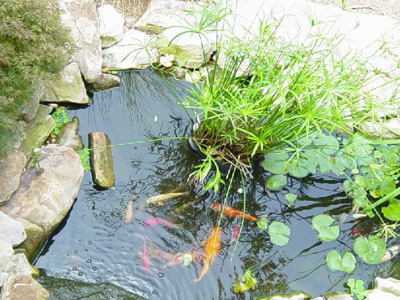 Koi ponds have a way of transforming an ordinary backyard into something extraordinary. The movement of colorful fish beneath the water, the calming sound of a waterfall, and the natural beauty of an ecosystem pond create an environment that many homeowners dream of enjoying. However, owning a koi pond involves more than simply adding fish to a decorative water feature.
Koi are living creatures that require proper care, planning, and ongoing attention. Understanding what goes into maintaining a healthy pond environment can help homeowners make informed decisions and enjoy their investment for many years to come. Before adding a koi pond to your property, here are seven important things every homeowner should know.
1. Koi Require More Space Than Most People Expect
One of the biggest misconceptions about koi ponds is that they can thrive in small decorative ponds. Unlike goldfish, koi grow surprisingly large. Depending on the variety and conditions, koi can reach lengths of 24 to 36 inches and live for several decades.Because of their size and longevity, koi need adequate swimming space. Overcrowded ponds can lead to poor water quality, increased stress, and health problems for the fish. A properly designed koi pond should provide sufficient depth and volume to support the number of fish it contains while allowing them room to move comfortably.
Planning for future growth rather than current fish size is essential when considering koi ownership.
2. Filtration Is the Heart of a Healthy Koi Pond
Clear water does not always mean healthy water. Koi produce waste continuously, and without proper pond filtration, harmful substances can build up quickly.A quality filtration system performs two important functions. Mechanical filtration removes debris such as leaves, uneaten food, and sediment. Biological filtration supports beneficial bacteria that break down fish waste and convert harmful compounds into safer forms.
When filtration systems become clogged, outdated, or undersized, water quality suffers. Routine cleaning and periodic upgrades help ensure the system continues operating efficiently and provides a healthy environment for the fish.
3. Water Quality Must Be Monitored Regularly
Healthy koi depend on stable water conditions. Changes in water chemistry can affect fish health long before visible symptoms appear.Factors such as ammonia, nitrite, nitrate, pH, and oxygen levels all play a role in maintaining a balanced ecosystem. Seasonal temperature changes, heavy rainfall, overfeeding, and equipment issues can disrupt that balance.
Regular water testing allows homeowners to identify potential concerns early and address them before they become serious problems. Monitoring water quality is one of the most important aspects of responsible koi pond ownership.
4. Seasonal Maintenance Is Essential
Koi ponds require attention throughout the year, not just during the warmer months.Spring often involves thorough pond cleaning, equipment inspections, and restarting biological filtration after winter dormancy. Summer maintenance focuses on managing algae growth, monitoring oxygen levels, and maintaining filtration performance during periods of increased activity.
Fall introduces the challenge of falling leaves and organic debris, which can decompose and negatively impact water quality. Winter care varies depending on climate but often includes monitoring ice formation, protecting equipment, and ensuring adequate gas exchange.
Establishing a seasonal maintenance routine helps prevent small issues from becoming major repairs.
5. Predators Can Become a Serious Concern
Many homeowners are surprised by how attractive koi ponds can be to local wildlife. Herons, raccoons, neighborhood cats, and other predators may view a pond as an easy food source.Protecting koi often involves a combination of thoughtful pond design and deterrent strategies. Adequate pond depth, strategically placed rock formations, protective netting, and motion-activated devices can all help reduce the risk of predation.
Considering these factors before problems occur can save both financial investment and emotional distress.
6. Koi Ownership Is a Long-Term Commitment
Koi are not short-term pets. With proper care, many koi live 20 to 30 years, and some live much longer.This longevity means homeowners should be prepared for ongoing responsibilities that extend well beyond the initial excitement of pond ownership. Routine maintenance, equipment upkeep, fish health monitoring, and occasional system upgrades all become part of caring for the pond.
Viewing a koi pond as a long-term commitment rather than a temporary landscape feature helps set realistic expectations and promotes responsible ownership.
7. Professional Support Can Make Ownership Easier
Even experienced pond owners occasionally encounter challenges that require specialized knowledge. Water clarity issues, declining fish health, equipment failures, excessive sludge buildup, and aging filtration systems often benefit from professional evaluation.Routine pond maintenance services, seasonal cleanings, and system upgrades can help homeowners protect their investment while reducing the stress associated with troubleshooting complex pond problems.
Working with pond professionals also provides peace of mind that fish health, water quality, and equipment performance are being properly managed.
Enjoying the Rewards of Koi Pond Ownership
Owning a koi pond can be an incredibly rewarding experience. Few backyard features provide the same combination of beauty, relaxation, and connection to nature. The key to long-term enjoyment lies in understanding the responsibilities involved before bringing koi home.By planning appropriately, maintaining water quality, investing in reliable equipment, and staying proactive with seasonal care, homeowners can create a thriving environment where both koi and people flourish. With the right approach, a koi pond becomes more than a landscape feature - it becomes a centerpiece of outdoor living that can be enjoyed for decades. Contact Aquadon Pond today at 410-924-1208 or via this Online Form to schedule a professional evaluation for you new Koi POnd.
<< Back to Blog
