




Our Services

10 Common Fish Pond Problems and How to Prevent Them
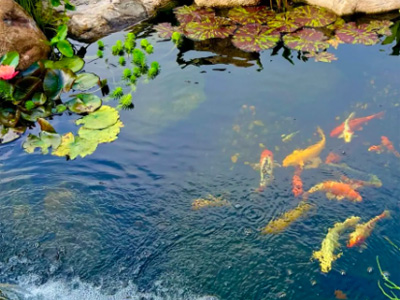 A beautiful fish pond adds movement, sound, and life to any outdoor space. Whether it's home to colorful koi, goldfish, or other ornamental fish, a healthy pond creates a relaxing environment while becoming a focal point in the landscape. However, like any outdoor ecosystem, fish ponds require regular care to stay clean, balanced, and functioning properly.
Without proper maintenance, even well-built fish ponds can develop problems that affect water quality, equipment performance, and the health of the fish. Fortunately, many common issues can be prevented with routine maintenance and early intervention. Here are ten of the most common fish pond problems homeowners encounter and what you can do to avoid them.
1. Excessive Algae Growth
Algae is one of the most common challenges in fish ponds. While a small amount of algae is normal, excessive growth can turn water green, coat rocks and waterfalls, and compete with aquatic plants for nutrients.Algae often thrive when ponds receive too much direct sunlight or contain high levels of nutrients from fish waste, decaying leaves, and uneaten food.
To help prevent algae:
- Maintain a healthy balance of aquatic plants.
- Avoid overfeeding fish.
- Remove organic debris regularly.
- Keep your filtration system operating efficiently.
- Schedule routine pond cleaning before algae become difficult to control.
2. Cloudy or Murky Water
Crystal-clear water doesn't happen by accident. Cloudy water can result from suspended debris, poor filtration, excess organic matter, or an imbalance in beneficial bacteria.New ponds may experience temporary cloudiness while the ecosystem matures, but persistent murky water often indicates that the pond needs professional attention.
Maintaining proper filtration, regular cleaning, and balanced biological activity helps keep water clear throughout the year.
3. Sludge Buildup on the Pond Bottom
Leaves, fish waste, pollen, and decomposing plant material gradually settle on the bottom of fish ponds. Over time, this organic material forms thick layers of sludge.Besides looking unsightly, sludge can:
- Produce unpleasant odors.
- Reduce water quality.
- Consume oxygen.
- Encourage algae growth.
- Stress fish populations.
4. Poor Water Circulation
Healthy fish ponds rely on constant water movement. Pumps circulate water through filters, waterfalls, and streams while supplying oxygen that fish and beneficial bacteria require.Poor circulation may be caused by:
- Clogged intake screens.
- Aging pumps.
- Blocked plumbing.
- Improperly sized equipment.
- Accumulated debris.
5. Clogged or Inefficient Filtration
Your pond filtration system is the heart of your pond. Mechanical filters remove debris, while biological filters support beneficial bacteria that break down harmful waste.Filters become less effective when filled with leaves, sludge, or accumulated debris.
Routine maintenance includes:
- Cleaning filter pads.
- Checking biological media.
- Inspecting UV clarifiers.
- Replacing worn components when necessary.
- Ensuring the system matches the size of the pond and fish population.
6. Fish Health Problems
Healthy fish are active, colorful, and feed consistently. When fish become stressed, they become more vulnerable to illness and parasites.Poor water quality is one of the leading causes of fish health issues.
Watch for signs such as:
- Fish gasping near the surface.
- Loss of appetite.
- Flashing or rubbing against rocks.
- Visible sores or discoloration.
- Unusual swimming behavior.
7. Falling Leaves and Organic Debris
Trees surrounding fish ponds provide welcome shade but also introduce large amounts of leaves, twigs, seeds, and pollen throughout the year.As this material decomposes, it increases nutrient levels that contribute to algae growth and sludge accumulation.
Simple preventative measures include:
- Skimming debris regularly.
- Installing seasonal pond netting during heavy leaf drop.
- Trimming overhanging branches where practical.
- Scheduling autumn pond maintenance before winter arrives.
8. Water Level Changes
It's normal for fish ponds to lose a small amount of water through evaporation, particularly during warmer months. However, significant or continuous water loss may indicate a leak or plumbing issue.Potential causes include:
- Damaged liner.
- Loose plumbing connections.
- Waterfall splash loss.
- Faulty automatic fill systems.
- Cracked fittings.
9. Aging Pond Equipment
Like any outdoor equipment, pond pumps, pond lights, plumbing components, and filtration systems eventually wear out.Older systems may:
- Operate inefficiently.
- Consume more electricity.
- Require frequent repairs.
- Struggle to maintain proper water quality.
10. Skipping Regular Maintenance
Perhaps the biggest problem affecting fish ponds isn't a mechanical failure - it's simply inconsistent maintenance.Small issues rarely stay small. Minor debris buildup eventually becomes sludge. Slight reductions in pump performance gradually affect water quality. Small leaks can become larger repairs if left unnoticed.
A routine pond maintenance program helps identify developing issues before they become expensive repairs. Professional inspections also ensure that pumps, filters, plumbing, lighting, and other components continue operating as intended throughout the seasons.
Keeping Fish Ponds Beautiful for Years to Come
Fish ponds are living ecosystems that require ongoing attention to remain healthy, attractive, and enjoyable. By addressing common issues such as algae growth, sludge buildup, filtration performance, water circulation, and seasonal debris, homeowners can extend the life of their ponds while providing a healthier environment for their fish.Routine maintenance not only preserves the appearance of your pond but also protects your investment by preventing costly repairs and improving the performance of pumps, filters, waterfalls, and other essential components.
Whether your pond is home to koi, goldfish, or simply serves as a peaceful backyard retreat, consistent care is the key to long-term success. Partnering with experienced pond maintenance professionals ensures your fish pond continues to provide beauty, relaxation, and reliable performance for many years to come. Contact Aquadon Pond today at 410-924-1208 or via this Online Form to schedule a professional evaluation for you new Fish Pond.
<< Back to Blog
