





Our Services

Pond Lighting 101: How to Illuminate Your Pond Without Harming Fish or Plants
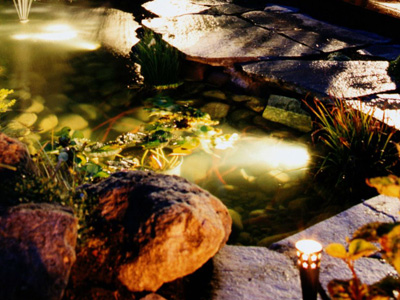 Pond lighting is one of the most impactful upgrades you can make to a backyard pond. The right lighting transforms your water feature after sunset-highlighting waterfalls, showcasing koi, and adding depth and movement to your landscape. But pond lighting isn't just about looks. Poor lighting choices can stress fish, disrupt plant growth, increase algae issues, and even create electrical hazards. Understanding how to illuminate your pond safely is the key to creating a beautiful nighttime display that remains healthy and balanced.
At Aquadon Pond Services, pond lighting is treated as part of the overall ecosystem-not an afterthought. Here's what every pond owner should know before installing or upgrading pond lighting.
Understanding the Purpose of Pond Lighting
Effective pond lighting serves multiple roles. Visually, it adds dimension and focal points, allowing you to enjoy your pond long after dark. Functionally, it improves safety by illuminating edges, walkways, and transitions around water. When done correctly, lighting enhances the natural movement of water and fish without overpowering the space.The goal is subtle illumination, not stadium-level brightness. Ponds look best when light is used to accent movement, texture, and depth rather than flood the entire water feature.
Types of Pond Lighting Explained
Underwater Pond Lighting
Submersible lights are installed below the water's surface and are ideal for illuminating koi, aquatic plants, and internal pond features. These lights create dramatic reflections and highlight fish movement, but they must be designed specifically for underwater use. Improper fixtures or excessive brightness can disturb fish behavior and cause unnecessary stress.Above-Water and Landscape Pond Lighting
Landscape lights are placed around the pond's perimeter or aimed toward waterfalls, streams, and surrounding rockwork. These fixtures create soft reflections across the water's surface and help define the pond's shape at night. Above-water lighting is often easier to maintain and is excellent for large ponds or water gardens.Waterfall and Stream Lighting
Directional lighting aimed at falling or moving water enhances motion and sparkle. This type of lighting is especially effective for multi-tier waterfalls or long streams, where shadows and highlights bring the feature to life after dark.LED vs. Traditional Pond Lights
Modern LED pond lighting is the industry standard-and for good reason. LED fixtures use significantly less energy, last far longer, and produce minimal heat compared to older halogen systems. Lower heat output is especially important for fish health, as excessive warmth can disrupt water temperatures and oxygen levels.LED lights also allow for better control over brightness and color temperature, making it easier to create a natural-looking glow rather than harsh, artificial lighting.
How Pond Lighting Affects Fish and Aquatic Plants
Fish, especially koi and goldfish, rely on natural light cycles. Constant or overly bright lighting can disrupt feeding patterns, stress fish, and interfere with resting behavior. Lighting should be used strategically and typically turned off overnight using timers or smart controls.Aquatic plants are equally sensitive. Too much light-particularly the wrong spectrum-can encourage algae growth, competing with plants for nutrients and clouding the water. Proper lighting placement and intensity help avoid these issues while maintaining a healthy pond balance.
Common Pond Lighting Mistakes to Avoid
One of the most common mistakes is installing lights that are too bright or placing too many fixtures in a small pond. This overwhelms the feature visually and biologically. Another frequent issue is poor wiring-non-water-rated connections, exposed cables, or incorrect transformers can lead to system failures or safety hazards.DIY pond lighting kits often overlook placement strategy, resulting in glare, uneven illumination, or lights that shine directly into viewing areas instead of across water features.
Safety and Electrical Considerations
Pond lighting should always be installed with waterproof fixtures, sealed connections, and proper low-voltage transformers. Ground fault protection is essential around water features, and all wiring should be buried or concealed to prevent damage.Licensed professionals understand how to integrate lighting safely into existing ponds without compromising liners, filtration systems, or plumbing-especially critical for established koi ponds.
Creating a Balanced Lighting Plan
The most successful pond lighting designs use layers. A combination of subtle underwater lighting, soft perimeter illumination, and targeted waterfall lighting creates depth without excess brightness. Timers ensure lighting operates only when needed, preserving natural rhythms for fish and plants while reducing energy use. When designed correctly, pond lighting enhances-not disrupts-the ecosystem.Why Professional Pond Lighting Makes a Difference
Pond lighting is as much about restraint as it is about creativity. Professionals understand how light interacts with water, stone, plants, and fish, creating a natural nighttime atmosphere that looks intentional rather than forced. More importantly, they ensure your lighting system supports long-term pond health, safety, and ease of maintenance.If you're considering pond lighting or upgrading an existing system, working with experienced pond specialists ensures your pond remains beautiful, safe, and thriving-day and night. Contact Aquadon Pond Services at 410-924-1208 or via this Online Form, and we will contact you to discuss your pond lighting requirements.
<< Back to Blog
